Cross-Platform Promotion Strategies
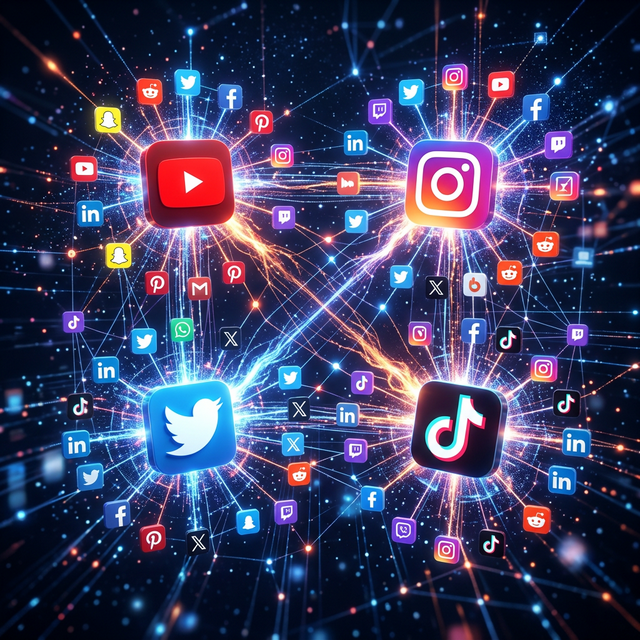
In the fragmented digital landscape of 2026, relying on a single platform for growth is no longer a strategy; it is a gamble. Algorithms change without warning, reach can plummet overnight, and entire communities can be locked out due to policy shifts. The most resilient and successful creators of our time have moved beyond the "post and pray" method on one site. Instead, they have mastered the art of cross-platform promotion.
Cross-platform promotion is not simply copying and pasting the same link to Twitter, Instagram, LinkedIn, and TikTok. That approach is lazy, often penalized by algorithms, and ineffective at driving meaningful engagement. True cross-platform strategy is about ecosystem building. It involves understanding the unique culture, format, and user behavior of each platform and crafting a tailored narrative that guides users from those disparate channels back to your central hub—whether that's your YouTube channel, your newsletter, or your community server.
This guide will walk you through advanced strategies for promoting your content across multiple platforms. We will explore how to repurpose content intelligently, leverage deep linking technology to remove friction, and build a cohesive brand presence that turns casual scrollers into loyal fans, regardless of where they first discover you.
1. The Hub-and-Spoke Model: Centralizing Your Audience
Before you promote anything, you need a destination. The most effective cross-platform strategy follows the Hub-and-Spoke model.
- The Hub: This is your owned or primary platform where your long-form, high-value content lives (e.g., YouTube, your blog, or your podcast). This is where you build depth and monetization.
- The Spokes: These are the discovery platforms (TikTok, Instagram Reels, X/Twitter, LinkedIn, Pinterest). Their job is not to host your main content, but to tease it, discuss it, and drive traffic back to the Hub.
Many creators make the mistake of trying to make every platform a "Hub." They upload full videos to Facebook, full articles to LinkedIn, and full podcasts to Spotify, hoping one will stick. This dilutes your efforts. Instead, use the spokes to create curiosity. Post a 30-second highlight clip on TikTok with a caption that says, "The full breakdown of why this strategy failed is on my channel—link in bio." This creates a clear funnel and respects the native behavior of each platform.
2. Intelligent Repurposing: One Idea, Many Formats
Creating unique content for five different platforms is a recipe for burnout. The solution is intelligent repurposing. Take one core idea or piece of long-form content and slice it into multiple assets tailored to each platform's strengths.
From Long-Form Video to Short-Form Gold
If you produce a 20-minute YouTube video, that is not just one piece of content; it is a content mine.
- TikTok/Reels/Shorts: Extract three distinct 60-second hooks or "aha!" moments from the video. Add captions and trending audio if appropriate.
- Twitter/X: Turn the key points of the video into a threaded story. "I just spent 20 hours researching X. Here are the 5 biggest lessons 🧵"
- LinkedIn: Write a professional case study based on the video's topic. Focus on the business or career implications.
- Instagram Stories: Use the "Question" sticker to ask your audience what they thought about the topic discussed in the video, then share a clip as the answer.
The key is contextual adaptation. Don't just post the raw link. On LinkedIn, write a professional insight. On TikTok, be entertaining. On Twitter, be concise. The core message remains the same, but the packaging changes to fit the room.
3. The Critical Role of Deep Linking
You have created amazing teaser content on Instagram. The user is interested. They click your link. And then... nothing happens. Or worse, they are taken to a generic mobile website, forced to log in, and lose interest. This is the friction gap, and it kills cross-platform promotion.
To bridge this gap, you must use deep linking. A deep link doesn't just take a user to a homepage; it takes them directly to the specific content within an app.
- The Problem: A standard link from Twitter might open YouTube in a mobile browser. The user has to find the "Open App" button, log in, and navigate again. Drop-off rates here can be as high as 40-60%.
- The Solution: A smart deep link detects the user's device. If they have the YouTube app, it opens the video instantly in the app. If they don't, it gracefully falls back to the mobile web.
Tools like OpeninYoutube specialize in this. By ensuring a seamless transition from social feed to content consumption, you respect the user's time and significantly increase the likelihood of them watching, liking, and subscribing. In cross-platform promotion, friction is your enemy; deep linking is your weapon.
4. Platform-Specific Nuances: Speaking the Language
Each platform has its own culture. Ignoring these nuances makes your promotion feel like spam.
Instagram: Visuals and Community
Instagram is about aesthetics and connection. Direct links in captions don't work. Use the "Link in Bio" strategy effectively by updating your bio link to match your current story or post. Use Stories to create a direct path: "Tap the link sticker to watch." Engage with comments immediately to boost the algorithmic visibility of your promo posts.
TikTok: Authenticity and Trends
TikTok users hate overt advertising. Your promotion must feel native. Use trends to your advantage. If there's a trending sound, adapt your content to fit it, then pivot to your message. The "Part 2 is on my YouTube" strategy works well here, but ensure the cliffhanger is genuine and valuable.
LinkedIn: Professional Value
LinkedIn users are in a learning mindset. They appreciate data, case studies, and professional growth. Avoid clickbait. Instead, share a profound insight from your content and invite them to read/watch the full analysis. "I analyzed 100 viral videos. Here is the data on what actually works." This builds authority and drives high-quality traffic.
X (Twitter): Real-Time Conversation
Twitter is about the "now." Promote your content by tying it to current events or trending topics in your niche. Join the conversation rather than just broadcasting. Reply to larger accounts in your niche with value-added comments that subtly reference your deeper content.
Pro Tip: Never drop a naked URL on social media unless the platform specifically favors it (like LinkedIn sometimes does). Most algorithms suppress posts with external links. Instead, say "Link in bio" or "Check the first comment," and use a tool to track those clicks.
5. Timing and Frequency: The Rhythm of Promotion
When should you promote? The old rule was "post once and forget." The new rule is sustained cadence.
- Launch Day: Go all out. Post on every platform within the first hour of publishing. Engage with every comment.
- Day 2-3: Share a behind-the-scenes look or a specific quote from the content. Target a different time zone if you have a global audience.
- Week 2: Resurface the content with a new angle. "I got a lot of questions about X in my last video, so here is a quick clarification..."
- Evergreen Revival: Don't let good content die. Every 3-6 months, revisit your best-performing pieces and re-promote them as "classics" or "essential viewing." New followers haven't seen them yet.
Consistency builds expectation. If your audience knows you drop a deep dive every Tuesday and tease it on Twitter every Monday, they begin to anticipate it.
6. Leveraging Communities and Collaborations
Cross-platform promotion isn't just about your own channels; it's about tapping into others.
Niche Communities
Find where your audience hangs out outside of social media. Reddit subreddits, Discord servers, Slack groups, or Facebook Groups. Warning: Do not spam. Follow the 90/10 rule: 90% of your activity should be adding value, answering questions, and helping others. Only 10% should be self-promotion. When you do share your content, frame it as a resource: "I wrote a detailed guide on this exact problem if anyone wants to check it out."
Collaborative Shoutouts
Partner with creators in adjacent niches. If you are a tech reviewer, partner with a productivity guru. Do a collab video, then promote it on both your channels. You instantly gain access to their trusted audience, and vice versa. This is one of the fastest ways to grow cross-platform.
7. Tracking and Analytics: Measuring What Matters
You cannot improve what you do not measure. In cross-platform promotion, vanity metrics (likes, followers) are less important than conversion metrics.
- Click-Through Rate (CTR) by Platform: Which platform sends the most engaged traffic? Is it Twitter or Instagram? Double down on the winner.
- Retention Rate: Do users coming from TikTok watch longer than those from LinkedIn? This tells you about the intent of each audience.
- Conversion Goals: How many subscribers or email sign-ups came from each specific campaign?
Use UTM parameters on your links to track sources precisely in Google Analytics. Combine this with the deep-link analytics from tools like OpeninYoutube to get a full picture of the user journey from click to conversion.
The "Content Waterfall" Strategy
Visualize your content flow like a waterfall:
Top (Source): One major long-form asset (YouTube Video/Podcast).
Middle (Fragments): 5-10 short clips, quotes, and threads derived from the source.
Bottom (Distribution): Drip-feed these fragments across all social platforms over 2 weeks, all pointing back to the Top.
This maximizes the ROI of every hour you spend creating.
Common Pitfalls to Avoid
- The "Copy-Paste" Trap: Posting the exact same caption and image on LinkedIn and TikTok looks lazy and hurts your brand. Adapt the tone.
- Ignoring Mobile: 80%+ of social traffic is mobile. If your landing page or link destination isn't optimized for mobile, you are wasting your promo efforts.
- Promoting Without Providing: Don't just ask for clicks. Give value in the post itself. Tease the solution, but give a hint of the answer in the promo post to build trust.
Warning: Beware of "engagement bait." Asking people to "Like and Share" explicitly can sometimes trigger algorithmic suppression on platforms like Facebook and Instagram. Focus on creating content so good that sharing feels natural.
Conclusion: Building an Unstoppable Ecosystem
Cross-platform promotion is not about being everywhere at once; it is about being strategically present. It is about weaving a web of content where each strand supports the others, guiding your audience effortlessly from a fleeting moment of curiosity on TikTok to a deep, loyal relationship on your main channel.
By adopting the Hub-and-Spoke model, repurposing intelligently, leveraging deep linking to remove friction, and respecting the unique culture of each platform, you transform your promotional efforts from a chore into a growth engine. You stop chasing the algorithm and start building a brand that transcends any single platform's limitations.
Start small. Pick one piece of content you've already created. Slice it into three parts. Post them on three different platforms with tailored messages and deep links. Track the results. Iterate. Repeat. This is how empires are built in the modern creator economy—one strategic click at a time.
Want More Creator Tips?
Join thousands of creators who use OpeninYoutube to grow their channels.
Sign Up NowAbout the OpeninYoutube Technical Team
The OpeninYoutube team consists of deep-linking architects and creator economy growth specialists. With a combined 20+ years of experience in mobile app ecosystems and digital distribution, we build tools that eliminate friction between creators and their audiences. Our mission is to ensure every link click translates into meaningful engagement.
Read our full story →