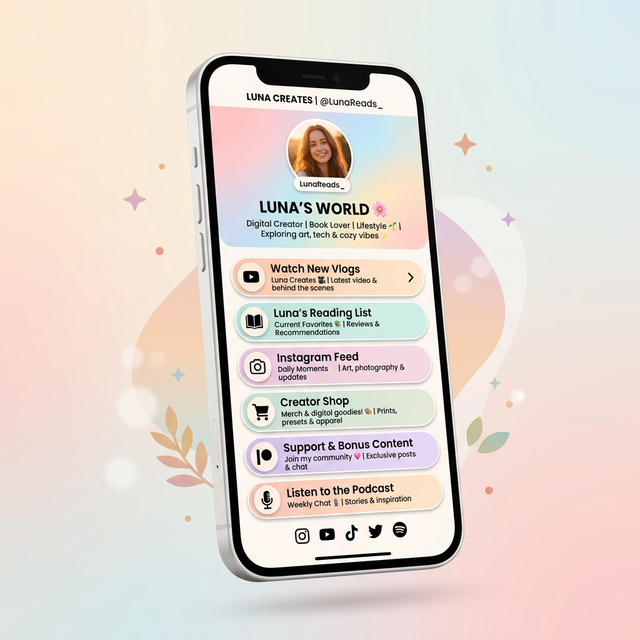
Introduction: In the creator economy, there is a distinct difference between having an audience and having a community. An audience watches you; a community participates with you. An audience consumes your content; a community defends your brand, shares your videos, and fuels your growth even when the algorithm isn't cooperating. If you've spent any time trying to grow online, you know that chasing subscriber counts is a vanity metric if those subscribers don't care about you. Success doesn't happen by accident; it happens when you shift your focus from broadcasting to connecting.
Welcome to our comprehensive deep dive. In this article, we are going to explore the critical mechanics of transforming passive viewers into active community members. Today's landscape requires creators to understand not just content creation, but psychology, engagement loops, and distribution friction.
Many creators spend hours filming and editing, only to neglect the final step: distribution and connection. When sharing links on external platforms like Instagram, TikTok, or Twitter, sending users to standard URLs often traps them in an in-app browser. This kills engagement instantly. Deep linking solutions like OpeninYoutube are specifically engineered to bypass these sandboxes, ensuring your audience lands securely in their native app where they are already logged in and primed to interact.
Audience vs. Community: The Mindset Shift
The first step to building a community is realizing that you are not the main character; your viewers are. In an audience model, the creator is the star and the viewers are the fans in the dark. In a community model, the creator is the host, and the viewers are the guests at a party.
- Audience Metrics: Views, Subscribers, Watch Time.
- Community Metrics: Comments, Shares, User-Generated Content, Discord Activity.
If your goal is purely views, you optimize for clickbait. If your goal is community, you optimize for connection. This means making content that sparks conversation, asking questions that matter, and valuing a single meaningful comment over a thousand passive likes.
The Power of Two-Way Communication
Community is built on dialogue, not monologue. The most successful creators treat the comment section as a extension of the video itself.
The "First Hour" Rule
When you publish a video, stay online for the first hour. Reply to every single comment. Not just with a "Thanks," but with a question or a thoughtful response. This signals to the algorithm that the video is sparking conversation, boosting its reach. More importantly, it makes the viewer feel seen.
Hearting and Pinning
Use the "Heart" button liberally. It's a small dopamine hit for the viewer. Pin comments that ask great questions or add value to the discussion. This curates the conversation and encourages others to leave higher-quality comments to get noticed.
Key Insight: Viewers who receive a reply from a creator are 3x more likely to return and comment on future videos. You are training them to be active participants.
Creating Rituals and Inside Jokes
Communities thrive on shared identity. Inside jokes, recurring segments, and specific terminology create a sense of belonging. It makes your viewers feel like they are part of a club that outsiders don't understand.
- Naming Your Community: Give your subscribers a name (e.g., "The Squad," "Builders," "Explorers"). It gives them an identity.
- Recurring Segments: Have a standard intro, a specific sign-off phrase, or a weekly segment that viewers look forward to. Predictability builds comfort.
- Call Backs: Reference previous videos or community memes. It rewards long-time viewers and makes new viewers curious to catch up.
These elements turn a casual viewer into a "fan." And fans don't just watch; they advocate. They defend you in comment sections and share your videos with friends because they want their friends to be part of the club too.
Leveraging External Platforms
YouTube is great for hosting content, but it's not always great for real-time conversation. To build a true community, you need to move your most engaged fans to a dedicated space.
Discord and Slack
Create a server where your fans can talk to each other, not just you. When fans form friendships with each other, they become sticky. They won't leave your channel because they'd lose their friends too.
Community Posts
Use YouTube's Community Tab to poll your audience, share behind-the-scenes photos, or ask for video ideas. This keeps the engagement alive even on days when you don't upload a video.
Removing Friction with Smart Links
You can have the best community strategy in the world, but if the technical execution fails, you lose momentum. A major point of friction is how you move people between platforms.
Imagine you post a teaser on Instagram Stories saying, "New video is live! Tap to watch." If that link opens a slow, logged-out web browser, the user has to log in, find the app, or deal with buffering. Most will just swipe away. That is a broken bridge.
To fix this, use Smart Links (like those from OpeninYoutube). These links detect the user's device and open the content directly in the native YouTube app. This seamless transition respects the user's time and ensures they land in an environment where they are already logged in and ready to comment or subscribe. By removing this friction, you ensure that your community efforts actually result in engagement.
Conclusion
Building a community is a marathon, not a sprint. It requires consistency, empathy, and a genuine desire to connect with your viewers. It means replying to comments, creating inside jokes, and providing spaces for your fans to connect with each other.
But remember, a community is only as strong as the access you give them. Remove the technical barriers. Use smart links to ensure every invitation to engage is seamless. Treat your viewers not as numbers on a dashboard, but as people in a room with you. Do this, and you won't just build a channel; you'll build a legacy.